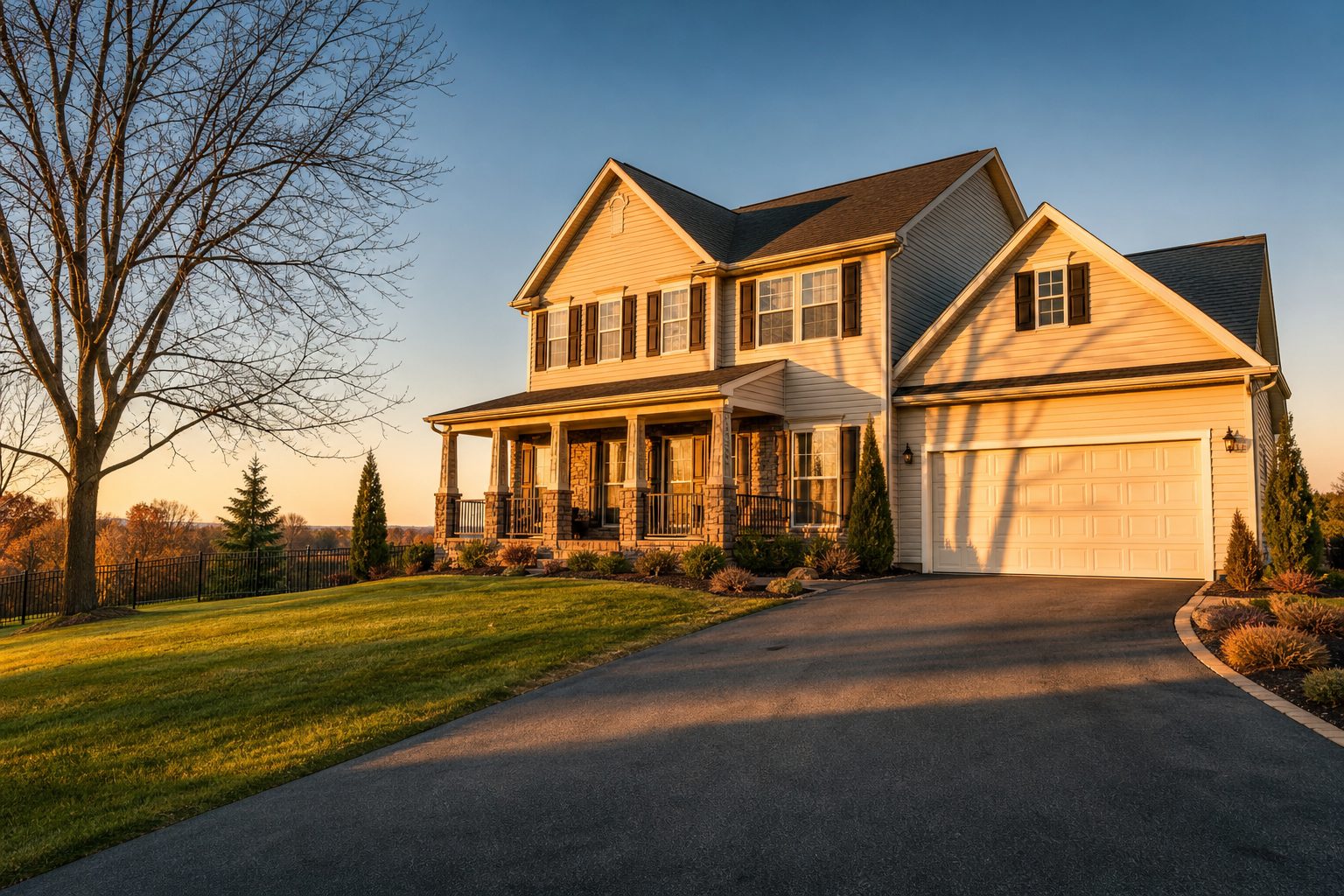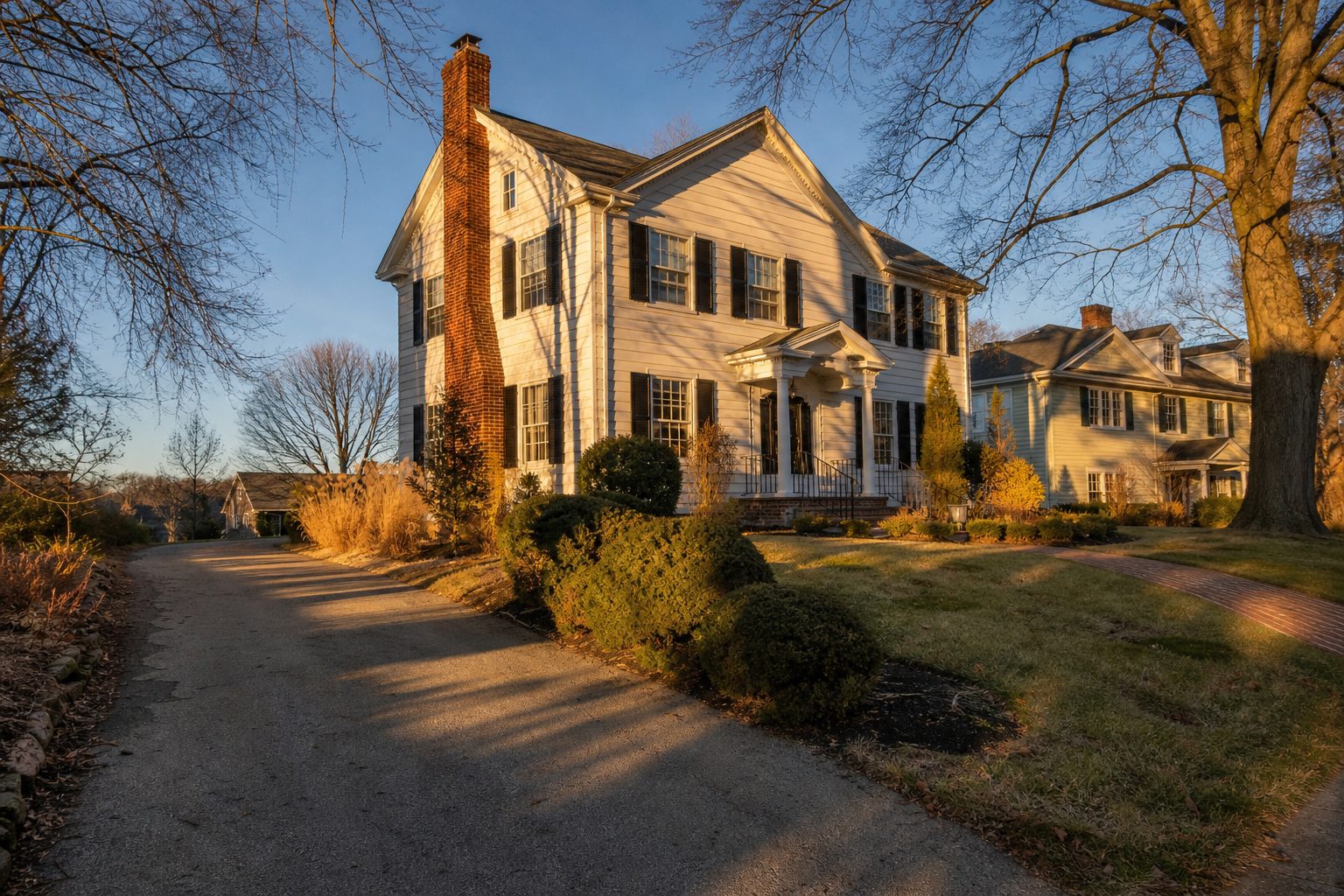
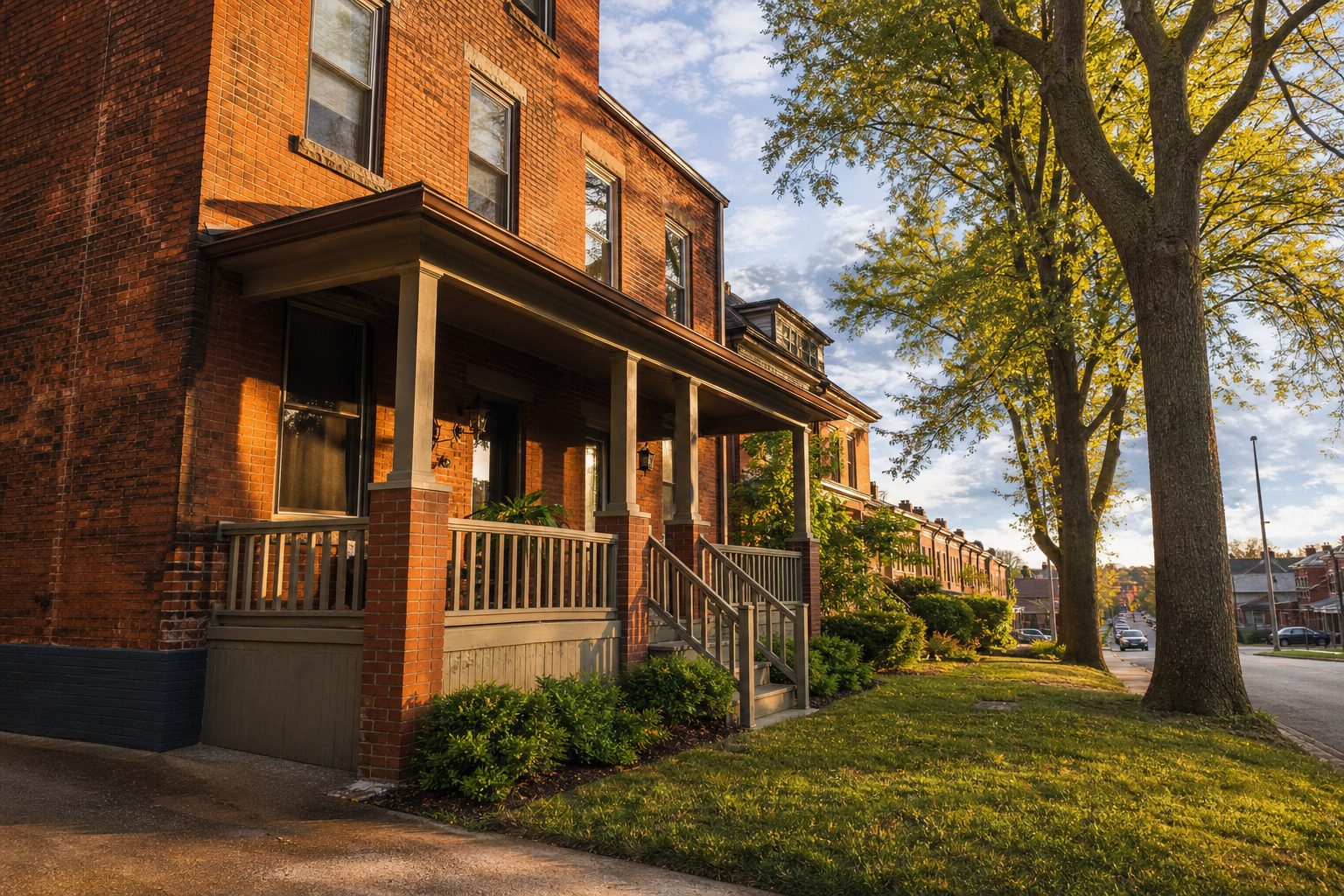
Why do online home value estimates often miss the real price in Pittsburgh neighborhoods like Crafton and Ingram?
Online estimates pull from outdated tax records and can’t see your renovated kitchen, your steep hillside lot, or the block-by-block differences that define pricing in Crafton and Ingram. Only a local comparative market analysis reflects what buyers will actually pay.
Why This Matters Right Now in Pittsburgh
If you own a home in Crafton or Ingram, there’s a good chance you’ve typed your address into an online estimator at least once. Maybe the number surprised you. Maybe it disappointed you. Either way, you’re probably wondering: is that number real?
Here’s the truth. Pittsburgh’s housing market is one of the hardest in the country for algorithms to read accurately. The hills, the age of the housing stock, the neighborhood-by-neighborhood personality shifts, and a county assessment system that hasn’t been updated since 2013 all conspire against automated accuracy. I’ve closed over 850 transactions across the Greater Pittsburgh Area, and I can tell you that the gap between what a screen says and what a buyer actually offers can be significant, especially in established neighborhoods like Crafton and Ingram. Before you make any decision about selling, you need to understand why that gap exists.
How Automated Valuations Actually Work, and Where They Break Down in Pittsburgh
Online valuation tools are called automated valuation models, or AVMs. They pull from public data sources, primarily tax assessments, recorded deed transfers, and permit filings, then run statistical models against comparable sales to generate an estimate.
That sounds reasonable until you look at what’s happening in Allegheny County. The county’s last court-ordered reassessment took effect in 2013, according to public records from Allegheny County. That means the tax-assessed values feeding these algorithms are anchored to a baseline that’s now over 13 years old.
So what does that actually mean for you? If you bought your Crafton home in 2015 and put a new kitchen in four years ago, the algorithm might still be pricing your property based on a 2013 snapshot of your block. It doesn’t know about the renovation. It doesn’t know about the demand shifts in your micro-market. It just sees an old tax record and runs the math.
The platforms themselves acknowledge this. Published accuracy disclosures note that error rates are higher for off-market homes and in markets with high property heterogeneity, which is exactly what Pittsburgh is. A brick rowhouse and a hillside Victorian can sit on the same block in Crafton. No algorithm handles that well.
The Crafton and Ingram Problem: Why One Block Changes Everything
This is something I tell my clients all the time: Pittsburgh has older homes, hills, hidden updates, and streets where one block changes everything. The algorithm cannot see your new kitchen or your steep driveway. I walk the house and price it against the homes buyers will actually compare it to.
Crafton and Ingram are perfect examples of why this matters. These are tight-knit, established neighborhoods with housing stock that spans decades. You’ll find Cape Cods steps from updated colonials. One street might be flat and walkable to Crafton’s business district along Steuben Street, while the next climbs a steep grade with limited parking.
An AVM treats square footage, bedroom count, and lot size as the primary inputs. It doesn’t factor in grade, sight lines, driveway access, or whether your home faces the quiet side of the street versus the busy corridor. These are physical attributes that only someone walking the property and understanding the neighborhood can evaluate.
Having worked with 120 clients who’ve trusted me with five-star reviews, I’ve seen how often these “invisible” factors account for significant pricing differences between homes that look identical on paper.
What Your Renovations Are Really Worth (and Why the Algorithm Can’t See Them)
Here’s a scenario I see constantly. A couple in Ingram spent years updating their home: new HVAC, a finished basement, modern bathrooms. They check an online estimate and feel deflated because the number doesn’t reflect any of that work.
Why? Because older Pittsburgh housing stock frequently contains improvements completed without permits, which means they never appear in public records. The algorithm sees a 1960s kitchen. The buyer walking through sees a 2024 renovation. That gap between the permit record and reality is the gap between the online estimate and the real offer price.
This is exactly why a comparative market analysis, or CMA, built by a local agent matters. When I build a CMA for a Crafton or Ingram home, I’m adjusting for condition, for the specific improvements you’ve made, and for how buyers in this price range will perceive your home relative to the competition. That’s something no algorithm can replicate.
Consider the flip side, too. If a home on your street has deteriorated but the last assessment was 13 years ago, the algorithm might overstate its value. If you’re on the better-maintained block, that inflated comp could actually drag your estimate in the wrong direction.
The Real Cost of Pricing Off an Online Estimate
So what happens when you use that online number as your listing price? Two scenarios, and neither is great.
Scenario one: the estimate understates your value. You list at the online number, and buyers jump on it because they know it’s underpriced. You get offers quickly, and it feels like a win, but you’ve left real money on the table. If a proper CMA would have supported a price point meaningfully higher than the estimate, you’ve handed that difference to the buyer.
Scenario two: the estimate overstates your value. You list at the inflated number, and the listing sits. Days on market climb. You make a price reduction. Then maybe another. By the time you reach a realistic price, the listing carries the stigma of being “stale,” and buyers negotiate harder because they assume something is wrong.
With 12 years of experience pricing homes across Greater Pittsburgh and a track record recognized as a Top 1% Real Estate Agent and Multi-Million Dollar Producer through Realty One Group Landmark, I’ve watched both of these scenarios play out. The only reliable correction is a CMA built from actual closed sales in your immediate area, adjusted for the things only a local agent can see on foot.
What a Local CMA Does That No Algorithm Can
A CMA performed by an agent who knows Crafton and Ingram goes layers deeper than any online tool. Here’s what I’m looking at that an algorithm is not:
- Condition adjustments: your updated kitchen, your new roof, the refinished hardwood floors
- Micro-location premiums: walkability to Crafton’s shops along Steuben Street, proximity to Ingram’s parks, the specific school catchment your home falls in
- Pending sale intelligence: I know which nearby homes are under contract and at what range, information that won’t appear in public records for 30 to 60 days
- Topography and access: whether your home sits on a flat, easy-access lot or requires navigating a steep private drive
- Buyer pool reality: I price your home against the properties buyers will actually compare it to, not against statistical averages pulled from a county-wide dataset
This is the difference between data and insight. The algorithm has data. I bring the insight that turns data into an accurate price.
Frequently Asked Questions
How accurate are online home value estimates for Pittsburgh homes?
Online estimates carry higher error rates in markets like Pittsburgh where property types vary block by block and tax assessments haven’t been updated since 2013, per Allegheny County public records. The platforms themselves disclose that accuracy drops for off-market homes and in areas with high property heterogeneity. You should treat the number as a rough starting point, not a listing price.
Why does the Allegheny County assessment lag matter for my estimate?
Allegheny County’s last countywide reassessment took effect in 2013. That means the tax-assessed values feeding online algorithms are over a decade old. If your home’s value has changed since then, through renovations or market shifts, the algorithm is working from outdated inputs. This is a well-documented local issue, not a generic national concern.
Can my unpermitted renovations affect my online home value?
Absolutely. If you remodeled your kitchen or finished your basement without pulling a permit, that work doesn’t exist in public records. The algorithm can’t see it. A local agent walks the home, documents the improvements, and prices them into the CMA. That’s how your renovation investment actually gets reflected in your asking price.
Should I price my Crafton or Ingram home based on the online estimate?
No. Use it as one data point, then get a professional CMA from an agent who knows these neighborhoods. The estimate doesn’t account for your specific condition, your block’s characteristics, or current buyer demand. Pricing off it alone can cost you money on either end.
What is a comparative market analysis and how is it different?
A CMA is a pricing analysis prepared by a licensed agent using actual closed and pending sales in your immediate area. Unlike an algorithm, it incorporates condition adjustments, micro-location factors, and real-time market intelligence. It’s the tool that bridges the gap between what a screen says and what a buyer will offer.
Why do two similar homes in Ingram get such different values online?
Pittsburgh’s topography and block-by-block variation mean that two homes with identical square footage can have very different buyer appeal. One might be flat, walkable, and updated. The other might sit on a steep grade with an older interior. The algorithm weights bedroom count and square footage heavily but misses the physical context.
How do Pittsburgh’s hills affect home valuations?
Hills create access differences, view differences, and maintenance cost differences that no algorithm captures. A steep driveway in winter, limited street parking on an incline, or a home that requires retaining wall maintenance are all factors that influence buyer decisions but don’t appear in public data.
When is the best time to get a CMA for my Pittsburgh home?
If you’re thinking about selling within the next six to twelve months, now is a good time. Market conditions shift seasonally, and a CMA gives you a current, accurate picture so you can plan your timeline and your pricing strategy with confidence.
Does the online estimate factor in my specific school district?
It may use district-level data, but it doesn’t capture the nuances of specific school catchment boundaries, which can shift property values on a street-by-street basis in Pittsburgh. A local agent knows exactly which catchment your home falls in and how that affects buyer demand.
How much can the online estimate be off for a typical Crafton home?
The gap varies depending on condition, improvements, and local demand. For homes with significant updates or unusual lot characteristics, the difference between the online estimate and a proper CMA can be substantial. The only way to know your specific gap is to have an agent evaluate your property in person.
The Bottom Line
You’re right to question what an online estimate tells you about your Crafton or Ingram home. The number on the screen is built from outdated county data, stripped of your renovations, and blind to the hills, the streets, and the block-by-block reality that defines pricing in Pittsburgh. It’s a starting point, not an answer.
What I do is walk your home, see what you’ve put into it, and price it against the properties buyers will actually compare it to. With over 850 closed transactions, 120 five-star reviews, and an engineering mindset that runs every home sale like a system, not a guess, I’m here to give you the real number. If you’re curious about the gap between your online estimate and your home’s true market value, reach out to me, Mike Pastor with The Mike Pastor Group at Realty One Group Landmark, at 412-214-9494. Let’s find out what your home is actually worth.