What should you inspect when buying an older estate home in Fox Chapel Borough?
You need specialist inspections for the roof, foundation, boiler system, electrical wiring, plumbing materials, and property grounds, because a general home inspection alone will miss the costly, hidden issues unique to Fox Chapel’s large, aging estate homes.
Why This Matters Right Now in Fox Chapel Borough
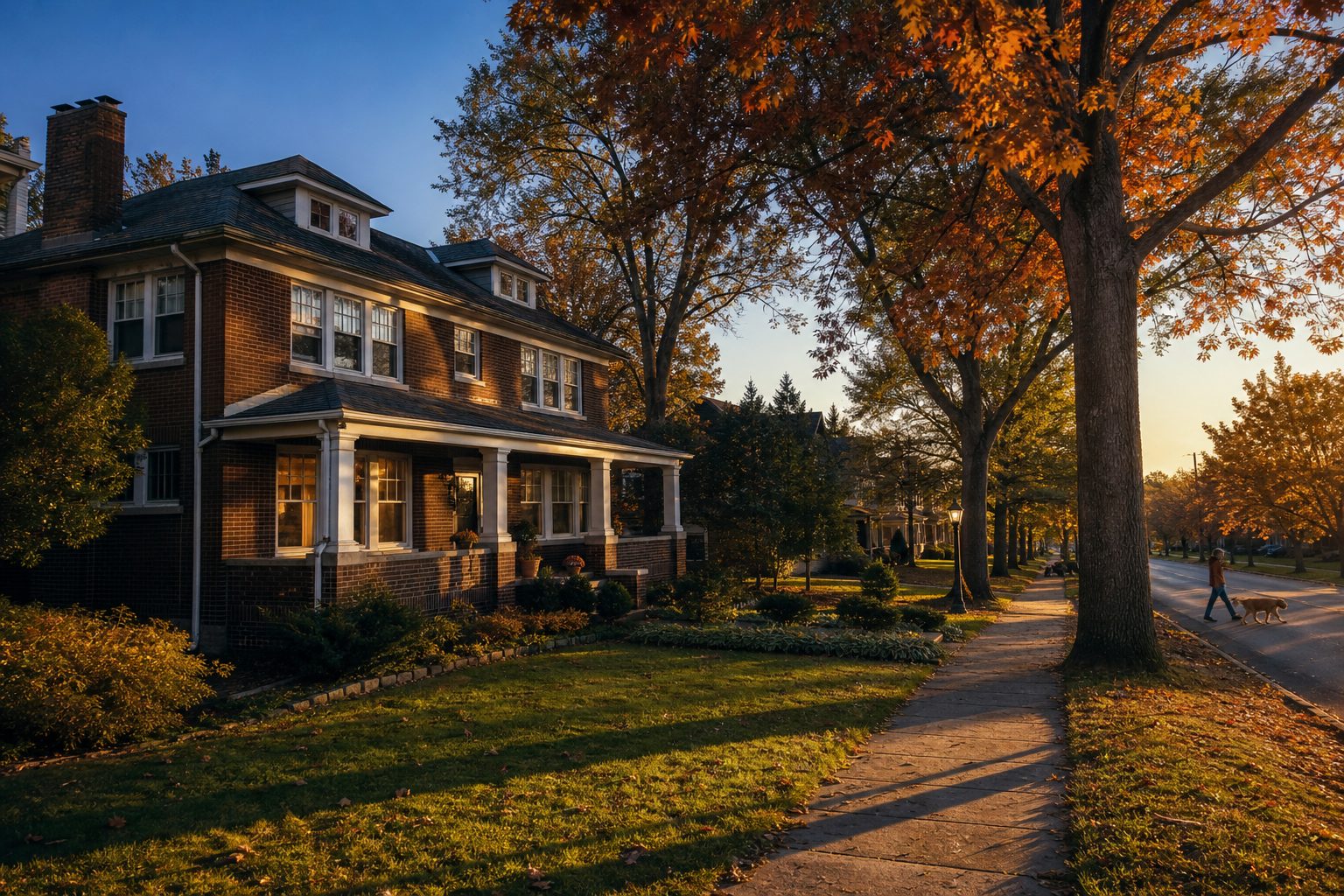
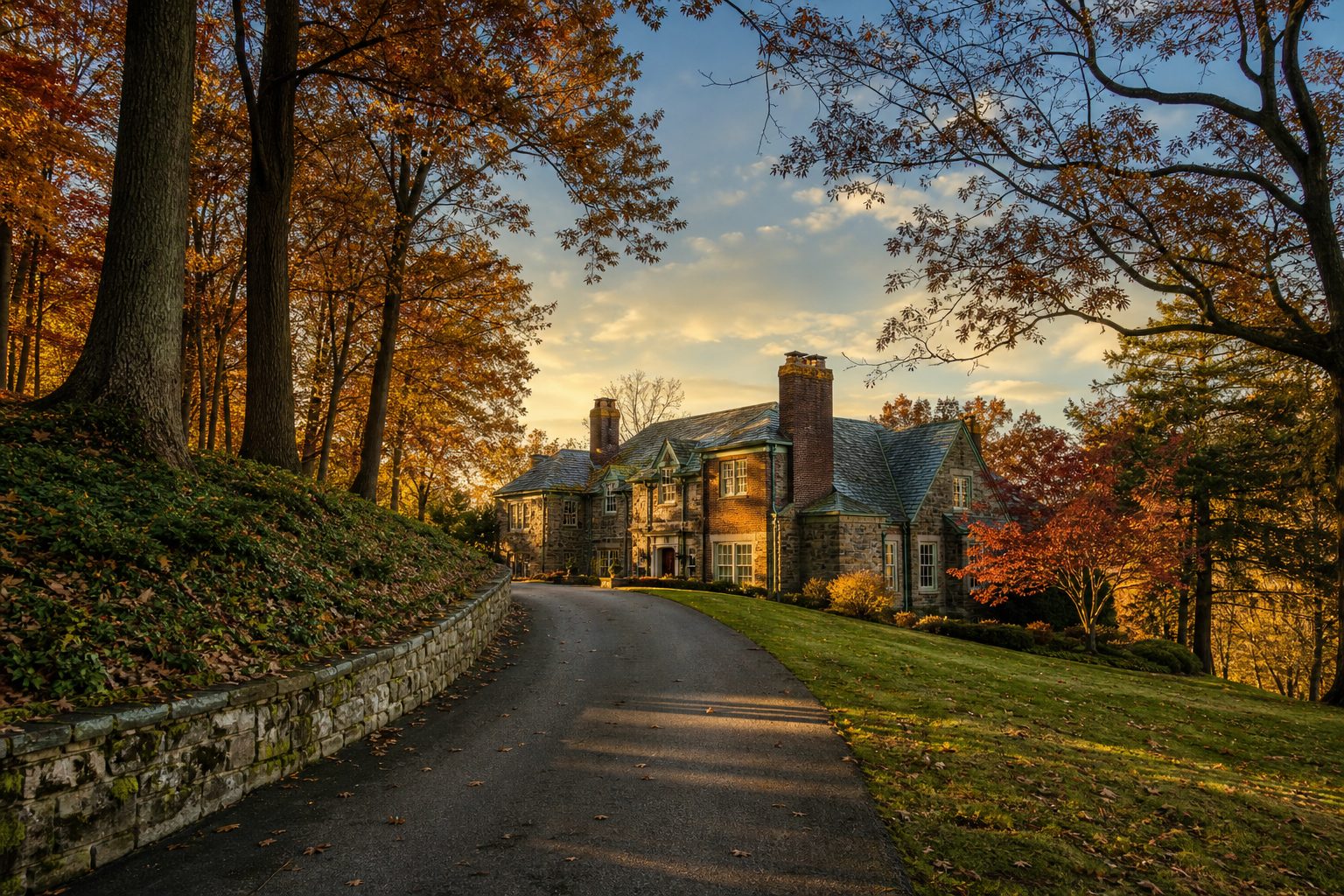
Fox Chapel Borough claimed the title of Pittsburgh’s hottest housing market in the second quarter of 2026, with median listing prices hovering around $1.21 million, per Hoodline reporting. That kind of price tag means you’re investing serious capital, often into homes built between the 1920s and 1960s on multi-acre wooded lots along Fox Chapel Road and its winding side streets.
Here’s the reality I share with every buyer considering this market: character homes have character systems. Slate roofs, boilers, older wiring, large mature trees, and long driveways all need specialists, not just a general inspector. I bring in the right experts so buyers know the true cost of ownership before they commit. Having closed over 850 transactions across the Pittsburgh market in my 12 years in real estate, I can tell you that the difference between a dream purchase and a financial headache often comes down to what you inspect, and who inspects it.
Structural and Foundation Issues Specific to Fox Chapel Estates
Pittsburgh’s hilly terrain and clay-heavy soils create unique structural challenges, and Fox Chapel Borough sits right on the ridgelines and slopes above the Allegheny River. Many homes here sit on valley-facing grades that add curb appeal but also amplify foundation stress over decades.
What should you look for? Pre-1960 Fox Chapel estate homes often have stone or block foundations. You want a structural engineer evaluating foundation concerns rather than just a general inspector evaluating horizontal cracking from lateral soil pressure, stair-step cracking in block walls, and any evidence of past water intrusion. Look at doors and windows throughout the home. If they stick or won’t close properly, if floors slope noticeably, or if you see cracks above door frames, those are signs of differential settlement caused by Pittsburgh’s freeze-thaw cycles.
Retaining Walls and Hillside Stability
Estate properties on sloped lots frequently have stone or concrete retaining walls that may be approaching failure after 50 to 80 years of service. Allegheny County has documented landslide concerns throughout the region, and you should check with the Allegheny County Department of Real Estate for any recorded landslide history on any parcel you’re seriously considering. Many of the larger homes in Fox Chapel Borough are on private roads, which means retaining wall maintenance along access routes may also fall on your shoulders.
Roofing, Chimneys, and the Exterior Envelope in Fox Chapel
This is one of the areas where I always tell my clients to slow down and bring in a specialist. A general inspector will walk your roof and note visible damage, but the estate homes along Grandview Drive, Fox Chapel Road, and throughout the borough often feature slate roofs that demand a contractor who works specifically with slate.
Slate roofing can last 75 to 150 years when maintained, which sounds reassuring until you realize that individual slates crack, flashing around dormers and valleys deteriorates, and a full slate roof replacement on a 4,000 to 7,000 square foot estate home can cost well into six figures. You need to know whether you’re looking at spot repairs or a full replacement on the horizon.
Chimneys and Masonry
Older Fox Chapel homes frequently have multiple chimneys. Some are functional, some are decorative, and telling the difference requires a chimney specialist who can inspect mortar joints, check for cracked flue liners, and verify that caps are in place. Stone and brick exteriors common on these estates also require periodic tuckpointing. White mineral deposits on masonry (called efflorescence) indicate moisture is migrating through the wall, and that’s a red flag worth investigating further.
What does this actually mean for your budget? A single chimney rebuild can run thousands of dollars, and a home with three or four chimneys can quickly add up. Knowing this before you make an offer is everything.
Plumbing, Electrical, and the Hidden Systems Under Fox Chapel’s Plaster Walls
The systems buried behind the walls and under the floors of Fox Chapel estate homes are often the most consequential items on your inspection list, and the easiest to overlook.
Plumbing: Know Your Pipe Materials
Homes built before 1960 may have galvanized steel supply lines that corrode from the inside and restrict water flow, cast iron drain lines that deteriorate invisibly, or even lead service lines from the street. Lead service lines are a documented concern across the Pittsburgh region. The Pittsburgh Water and Sewer Authority (PWSA) has been actively replacing lead service lines, and you should verify the service line material for any Fox Chapel property before closing.
Some Fox Chapel properties on larger acreage parcels use private septic systems rather than public sewer, and others may have private wells for irrigation or even primary water. Both require specialized testing. A failing septic system replacement can be a significant expense, and you want that information in hand during negotiations.
Electrical: What’s Behind the Walls
Pre-1960 homes may have knob-and-tube wiring, which is both a fire hazard and an insurance concern. Some carriers will not cover homes with active knob-and-tube wiring. Homes from the late 1960s and early 1970s may have aluminum branch circuit wiring, which requires special connectors and ongoing monitoring. Older panels rated at 100 amps or even 60 amps are inadequate for today’s demands, especially if you’re planning on EV charging or a home office buildout.
With 120 five-star reviews from past clients, one of the most common things I hear after closing is, “I’m so glad we caught that during inspection.” That feedback reinforces my approach: bring in the right specialists for every system.
Heating Systems, Oil Tanks, and Energy Efficiency in Fox Chapel
Many older Fox Chapel estate homes run on hot water or steam boiler systems with cast iron radiators. These systems are remarkably durable, but a boiler over 25 to 30 years old is approaching end of life. Replacing a boiler system in a large estate home is a major investment, and it’s something you need to budget for before you commit.
Here’s an area where a general inspector can miss something critical: fuel source. Some older Fox Chapel homes still use oil heat. If there’s an oil tank on the property, whether above-ground or buried underground, you need a tank inspection by a qualified environmental professional. A leaking underground oil tank can create an environmental remediation liability that dwarfs the cost of the tank itself. This is non-negotiable in my book.
If the home has been retrofitted with forced-air systems, have the ductwork inspected for asbestos insulation (common in pre-1980 installations), air leaks, and proper sizing. Large estate homes should ideally have multi-zone HVAC to efficiently heat and cool different wings. An older single-zone system will leave you with uneven temperatures and high energy costs.
The Grounds: Trees, Driveways, and What Lurks Outside on Fox Chapel Acreage
You’re not just buying a house in Fox Chapel Borough. You’re buying acreage, mature trees, long driveways, and a landscape that requires ongoing professional attention. The setting feels quiet and green, with mature trees and landscaped properties framing winding streets, but that beauty comes with responsibility.
Mature Trees and Arborist Inspections
Those 100-year-old oaks lining your driveway are gorgeous, but a certified arborist should evaluate every large tree near the home’s footprint for disease, deadwood, root damage to foundations, and overall stability. Falling trees and limbs are a real insurance concern on wooded Fox Chapel lots, and your insurance premiums will reflect the risk.
Driveways and Private Roads
Long, steep driveways are a hallmark of Fox Chapel estates. They need assessment for drainage, surface condition, and winter accessibility. Many homes sit on private roads, which means snow removal, paving, and maintenance costs fall on you or a homeowners’ group rather than the borough.
Asbestos, Lead Paint, and Radon
Any home built before 1978 is presumed to contain lead-based paint under federal law. Homes built before 1980 may contain asbestos in floor tiles, pipe insulation, duct wrap, or vermiculite attic insulation. Radon testing is standard practice in Western Pennsylvania and should never be skipped. All three are manageable when you know what you’re dealing with. The goal is knowledge, not fear.
Frequently Asked Questions About Inspecting Fox Chapel Estate Homes
Do I need more than a general home inspection for a Fox Chapel estate?
Yes. A general inspector provides a valuable overview, but older Fox Chapel homes with slate roofs, boiler systems, and aging wiring need specialists. I recommend separate evaluations from a structural engineer, a roofing contractor experienced with slate, an HVAC specialist familiar with boilers, and a certified arborist for mature trees on the property.
How do I find out if a Fox Chapel home has lead service lines?
Contact the Pittsburgh Water and Sewer Authority (PWSA) to verify the service line material for the specific property address. PWSA has been actively replacing lead service lines throughout the region, and you need to know the status before closing.
What’s the biggest hidden cost in an older Fox Chapel home?
Underground oil tanks and failing septic systems are the two most common high-cost surprises. A leaking underground oil tank can create a remediation liability far exceeding the tank’s value. Septic system replacement on a larger Fox Chapel parcel is also a significant expense that belongs in your pre-purchase budget.
Should I worry about knob-and-tube wiring in a Fox Chapel estate?
You should certainly investigate it. Pre-1960 homes may have knob-and-tube wiring, and some insurance carriers will not cover homes where it remains active. An electrician experienced with older homes can tell you whether the wiring is active, inactive, or partially replaced.
How long does a slate roof last on a Fox Chapel home?
Slate roofing can last 75 to 150 years depending on the slate quality and maintenance history. However, individual slates crack and flashing deteriorates over time. A slate roofing specialist can evaluate remaining useful life and estimate repair or replacement costs specific to the home.
Is radon testing necessary in Fox Chapel Borough?
Absolutely. Western Pennsylvania has elevated radon levels in many areas, and testing is standard practice for any home purchase in the region. Radon mitigation systems are effective and relatively affordable if elevated levels are found.
What should I know about private roads in Fox Chapel?
Many of the larger Fox Chapel estate homes sit on private roads, meaning you are responsible for maintenance, snow removal, and paving costs. Ask for documentation on any road maintenance agreements and understand your share of the costs before making an offer.
How do property taxes work for Fox Chapel estate homes?
School taxes make up the bulk of what Fox Chapel property owners pay, with roughly 70 cents of every local real estate tax dollar going to the Fox Chapel Area School District, 21 cents to Allegheny County, and 9 cents retained by the borough, according to local budget data. The Fox Chapel Area School Board raised property tax millage by 3.1% to 22.6898 mills for the 2026 to 2027 academic year.
Are boiler heating systems a problem in older Fox Chapel homes?
Boilers are not inherently a problem; many are remarkably durable. However, boilers over 25 to 30 years old are approaching end of life. Replacement costs for a large estate home’s boiler system are significant, and you want an HVAC specialist to assess remaining useful life before you buy.
Can I negotiate based on inspection findings in Fox Chapel?
Absolutely. Fox Chapel’s sale-to-list ratio is approximately 96%, per West Penn MLS data as of April 2026, meaning buyers are already negotiating about 4% off asking prices. Documented inspection findings from qualified specialists give you concrete data to negotiate repairs, credits, or price reductions.
The Bottom Line on Inspecting a Fox Chapel Estate Home
Buying an older estate home in Fox Chapel Borough is one of the most rewarding real estate decisions you can make in the Pittsburgh market. The schools are among the best in Pennsylvania, the community is private and established, and the homes themselves have a character you simply cannot replicate with new construction. But character homes have character systems, and those systems need specialists.
As a Top 1% real estate agent with 12 years of experience and over 850 closed transactions across the Pittsburgh area, I make it my job to bring in the right experts so you know the true cost of ownership before you commit. If you’re considering a home in Fox Chapel Borough, or anywhere in the Pittsburgh market, call me at 412-214-9494. I’m Mike Pastor with The Mike Pastor Group at Realty ONE Group Landmark, and helping you find your special place in Pittsburgh is the best part of what I do.