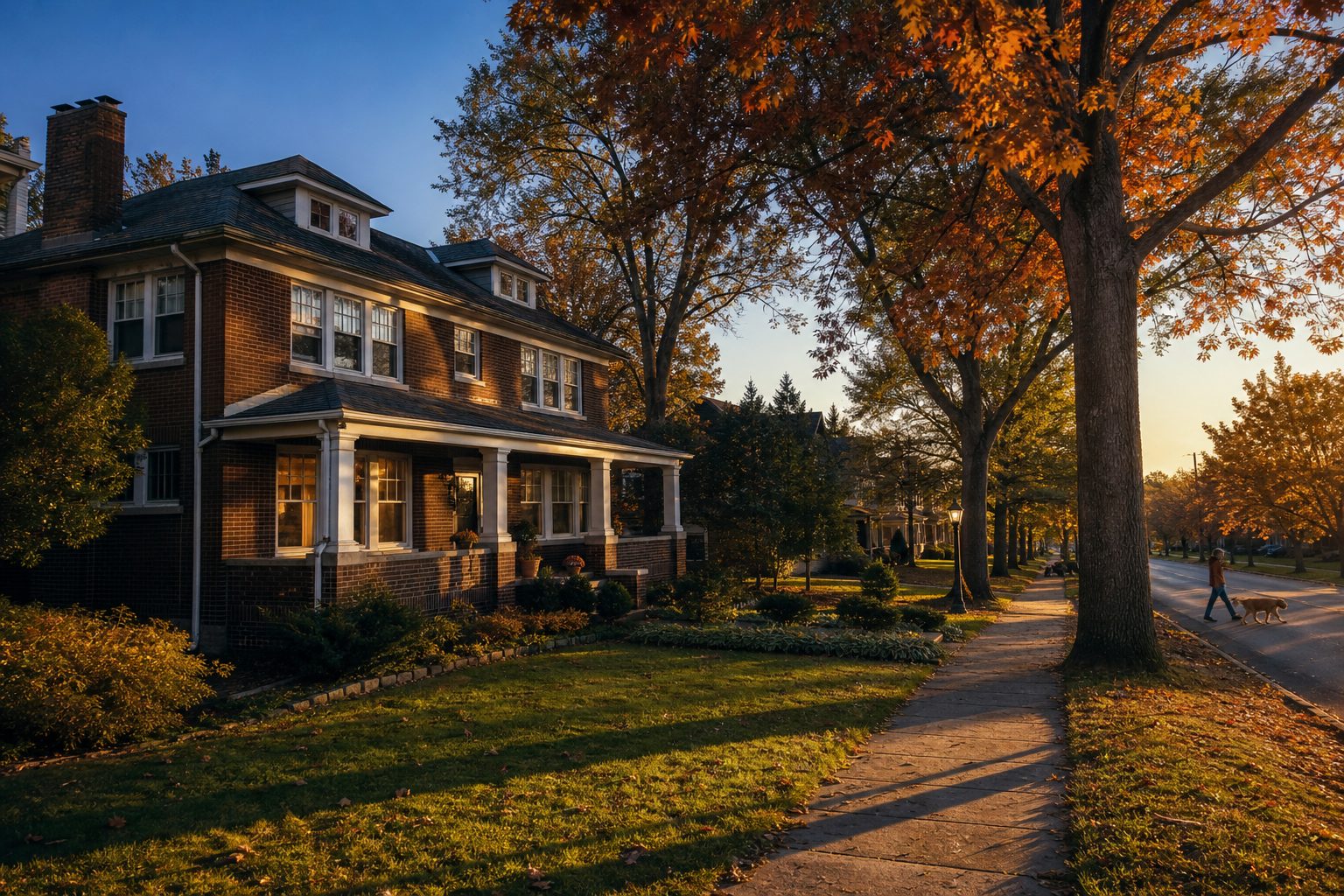
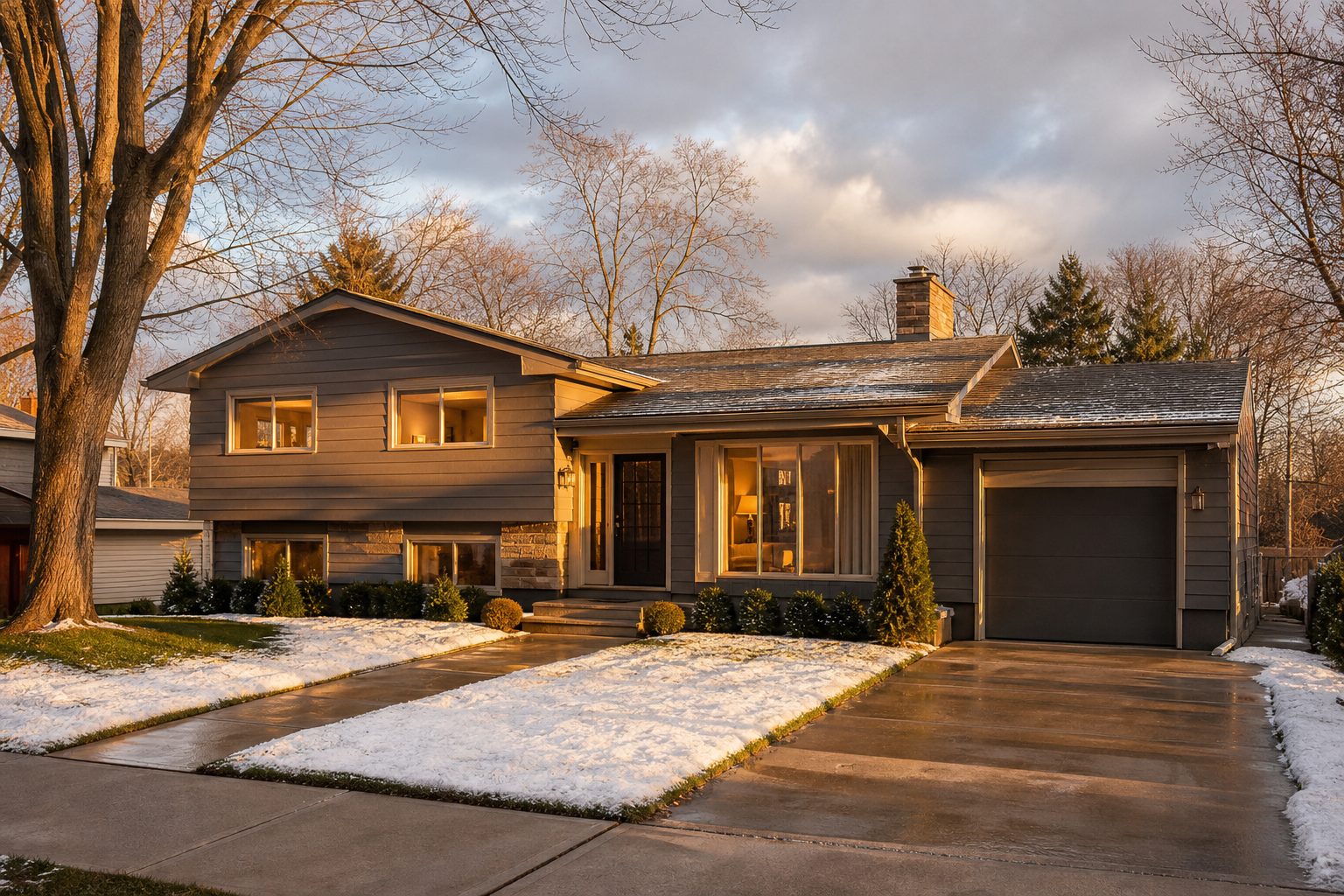
If you’ve relocated or you’re settling an estate, how do you protect a vacant Penn Hills home from Pittsburgh’s brutal winters while it’s listed for sale?
You keep the heat set to at least 55°F, arrange weekly property checks, notify your insurer the home is vacant, and follow a systematic winterization checklist so the house shows warm and nothing goes wrong between showings.
Why Winterizing Your Penn Hills Listing Matters Right Now
Pittsburgh winters are not subtle. Average January lows dip into the teens and low 20s, the city sees roughly 44 inches of snow annually, and Penn Hills‘ older housing stock, much of it built mid-century along corridors like Frankstown Road and Rodi Road, is especially vulnerable to freeze-thaw cycles. I’ve seen firsthand what happens when a seller skips winterization: a frozen pipe in a vacant listing can turn a sale into an insurance claim overnight.
With 12 years in Pittsburgh real estate and over 850 closed transactions across this market, I can tell you that the sellers who protect their vacant properties are the ones who close smoothly in February instead of dealing with burst-pipe remediation in March. Penn Hills homes sold for a median price of $194,000 in May 2026, according to local MLS data. You don’t want to lose thousands in preventable water damage on a property in that price range. The math simply doesn’t work.
Right now, the Pittsburgh real estate market is sitting at about 4.1 months of supply, per mid-2026 market data from Allied News. That means buyers have more negotiating room than they did two years ago. A vacant home that looks cold, smells musty, or shows signs of deferred maintenance gives buyers leverage to lowball you, or worse, walk away entirely.
Plumbing Protection Is Priority One in Penn Hills
Here’s what I tell every winter listing client: plumbing is where the catastrophic losses happen. Everything else is manageable. This one is not.
If your Penn Hills home is actively for sale and the water needs to stay on for inspections and appraisals, you need to set your thermostat to at least 55°F and keep it there. Then insulate pipes on exterior walls, in crawl spaces, and in the attic. Open cabinet doors under sinks and appliances so heated air circulates around un-insulated pipes. On the coldest nights, let a warm-water faucet drip to keep water moving through the lines.
If you’ve decided to fully winterize because the sale timeline is uncertain, here’s the protocol:
- Hire a licensed plumber to drain all areas where water is stored, including the water heater and any hot tubs, and use an air compressor to blow remaining water from every pipe in the house
- Pour biodegradable antifreeze into every drain, including toilet bowls and tanks, sinks, and floor drains, to keep P-traps from freezing
- Tape toilets shut and post visible “CAUTION: WINTERIZED, DO NOT USE” signs on each fixture
- Shut off the main water supply at the street if possible
According to RISMedia, hiring a professional plumber to winterize typically costs between $150 and $500. Compare that to the cost of repairing extensive water damage from a burst pipe, and the decision makes itself.
So what does this look like in practice? I had a winter listing along Rodi Road where the seller had already relocated out of state. We built a vacant-home checklist into the listing plan from day one. That meant a plumber came through before the first freeze, the thermostat stayed at 55°F on a smart schedule I could monitor remotely, and a trusted local contact walked the property every single week. The house showed warm, the pipes stayed intact, and it went under contract without a single weather-related issue.
Heating, Insulation, and Making Your Penn Hills Home Show-Ready
Nobody wants to walk into a freezing house for a showing. Buyers form impressions in the first 30 seconds, and “this place feels abandoned” is not the impression you’re going for.
Keep the Furnace Running (Safely)
Before winter hits, have a qualified HVAC technician inspect your furnace or boiler. They’ll clean the system, replace filters, and confirm everything operates efficiently. This prevents unexpected breakdowns and keeps a consistent temperature, per This Old House guidelines.
Set your thermostat to at least 55°F as a baseline. Smart thermostats are especially useful here because you can monitor and adjust settings remotely from wherever you’ve relocated. Leave all interior doors open so warm air circulates freely, and keep cabinet doors open in kitchens and bathrooms.
Insulate Exposed Pipes and Vulnerable Areas
Penn Hills homes along corridors like Beulah Road and Aster Street include a mix of mid-century ranches and split-levels, many with partially finished basements and crawl spaces that lose heat quickly. Focus your insulation efforts on:
- Exposed pipes in unheated basements, attics, and crawl spaces (foam or rubber insulation sleeves)
- Exterior wall cavities where pipes may run
- Garage-adjacent walls if the home has an attached garage
Insurance, Liability, and the Vacant Home Policy Gap
Here’s something many sellers don’t realize until it’s too late: your standard homeowner’s insurance policy may not cover a vacant property. Most carriers define “vacant” as unoccupied for 30 to 60 days, and once that threshold passes, your coverage can shrink dramatically or lapse entirely.
What I always recommend is this: call your insurer the moment the property goes vacant and tell them. Yes, vacant home policies cost more, often 50% to 100% more than a standard policy, per industry estimates. But that’s a fraction of what an uninsured pipe burst or vandalism claim would cost you.
With 120 five-star reviews from past clients, one of the most common things I hear after closing is “I’m glad you told me about the insurance piece.” It’s one of those details that falls through the cracks when you’re managing a sale from out of town, handling probate, or juggling a relocation. I build it right into my vacant-home checklist so nothing gets missed.
For Penn Hills sellers specifically, remember that property taxes in Allegheny County run approximately 2.37% of assessed value, per BuildFolio and county assessor data. On a median-priced Penn Hills home, that’s real money leaving your account every month the property sits. Add in a vacant home insurance premium, utilities to keep the heat running, and snow removal, and you’re looking at estimated monthly carrying costs of $500 to $850 or more, not counting any mortgage. Every month you delay winterization (or pricing correctly) costs you.
Weekly Walkthroughs and Remote Monitoring in Penn Hills
If you’ve relocated or you’re managing an estate from another city, you need boots on the ground. I tell my clients: have someone check the house weekly. Not monthly. Weekly.
What does a weekly walkthrough cover?
- Check the thermostat to confirm heat is running and at the correct setting
- Walk every room looking for water stains, condensation, frost on interior walls, or unusual odors
- Flush toilets and run faucets briefly (if plumbing is still active) to keep water moving
- Inspect the exterior for ice dams on the roof, ice buildup around the foundation, and clear snow from walkways and driveways for showings
- Confirm all doors and windows are locked to deter break-ins
If you don’t have a trusted friend or family member nearby, your listing agent should be coordinating this. As the leader of the Mike Pastor Group, I build this monitoring schedule into every winter home selling strategy I manage. It’s one of those things that separates a smooth Pittsburgh winter sale from a costly nightmare.
Smart home devices, including leak sensors, smart thermostats, and security cameras, are also worth the small investment. A $30 water leak sensor under the kitchen sink can alert your phone before a drip becomes a flood.
Pricing Strategy for a Vacant Penn Hills Home in Winter
Even a perfectly winterized home needs the right price to move. Penn Hills’ median listing price sits at $212,000 as of mid-2026, up 5.0% year-over-year according to local MLS data, with 141 active listings. The sale-to-list ratio across the Pittsburgh market is running at 96.09%, per March 2026 data from Houzeo, meaning most homes sell slightly below asking.
What does that mean for you? Price realistically from day one. Across the Pittsburgh metro, 48% of listings had price reductions in late 2025. Overpricing a vacant home in winter, when buyer activity is already slower, compounds the problem.
If speed matters (and it should, given those carrying costs), consider marketing to cash buyers and investors. Penn Hills’ price-to-income ratio of just 2.6, with a median household income of $62,300, makes it attractive to both first-time buyers and investors running value-add rehab projects. Cash buyers can skip financing delays, appraisals, and contingencies, giving you a faster, more predictable close.
Frequently Asked Questions
What temperature should I keep a vacant Penn Hills home at during winter?
Set the thermostat to at least 55°F. This prevents pipes from freezing while keeping energy costs manageable. If your plumbing has been fully drained and winterized by a professional, you can go lower, but if the home is for sale and water remains on, 55°F is the minimum safe threshold.
How much does it cost to winterize a vacant home in Pittsburgh?
Professional plumber winterization typically runs $150 to $500, according to RISMedia. An HVAC inspection adds roughly $100 to $200, and gutter cleaning runs $100 to $250. These upfront costs are minimal compared to the potential thousands in water damage from a burst pipe.
Do I need special insurance for a vacant home for sale in Penn Hills?
Yes. Most standard homeowner’s policies exclude or limit coverage once a home is vacant for 30 to 60 days. Contact your insurer immediately when the property goes empty. Vacant home policies typically cost 50% to 100% more than standard coverage, but without one, you could face an uninsured loss.
How often should someone check on my vacant Penn Hills listing?
Weekly at minimum. Each walkthrough should confirm the heat is running, check for signs of water damage or leaks, inspect the exterior for ice dams or snow buildup, and confirm the home is secure. This is something I coordinate for every winter listing I manage.
Should I turn off the water in a vacant home that’s for sale?
If you expect showings, inspections, and appraisals, keeping the water on (with heat at 55°F) is usually better. If the listing timeline is uncertain and you want to reduce risk entirely, hire a plumber to drain the system, blow out the lines, and add antifreeze to all drains.
What are the biggest winter risks for a vacant home in Penn Hills?
Frozen and burst pipes are the number one threat. Ice dams on older roofs, foundation water intrusion from freeze-thaw cycles, mold from humidity and poor ventilation, and pest infiltration also rank high. Pittsburgh’s hilly terrain and older housing stock amplify each of these risks.
How much does it cost monthly to maintain a vacant home in Pittsburgh?
Estimated monthly carrying costs for a median-priced Penn Hills home include roughly $187 in property taxes, $150 to $300 for vacant home insurance, $100 to $200 for utilities (keeping heat at 55°F), and $50 to $150 for snow removal. Total: approximately $500 to $850 or more, excluding any mortgage payment.
Can I sell a vacant home in Penn Hills during the winter?
Absolutely. Penn Hills homes sold for a median price of $194,000 in May 2026 and averaged just 10 days on market, according to local MLS data. Winter sales may take somewhat longer, but a well-winterized, competitively priced home still attracts serious buyers, especially first-timers and investors drawn to Penn Hills’ affordability.
What should I do about snow removal at a vacant listing?
Keep walkways, driveways, and the front entrance clear for showings and to reduce slip-and-fall liability. Hire a local snow removal service or ask your agent to coordinate. I include this in the vacant-home checklist for every winter listing so showings happen safely.
Should I stage a vacant home for sale in winter?
Even minimal staging helps. A few pieces of furniture, clean window treatments, and warm lighting make a vacant home feel less cold and more inviting. At minimum, ensure the home shows warm (thermostat at 55°F or above), smells fresh, and has clear pathways from the front door through every room.
The Bottom Line
Selling a vacant Penn Hills home over the winter is absolutely doable, but it takes a plan. Keep the heat on, protect the plumbing, notify your insurer, arrange weekly walkthroughs, and price the home realistically for the current market. Every month a vacant home sits empty costs you $500 to $850 or more in carrying costs, so the goal is to move efficiently without leaving your property vulnerable to damage.
I’m Mike Pastor, leader of the Mike Pastor Group at Realty ONE Group Landmark. With 12 years in Pittsburgh real estate, over 850 transactions closed, and 120 five-star reviews, I build a vacant-home checklist into every winter listing so nothing falls through the cracks. If you’re selling a home in Penn Hills, settling an estate, or managing a property from out of state, call me at 412-214-9494. Let’s get your home winterized, listed, and sold.