What should you check before buying a century home in Squirrel Hill, Pittsburgh?
You need to evaluate the roof material, wiring age, heating type, sewer lines, foundation condition, and drainage before falling in love with the woodwork. This checklist walks you through every critical system.
Why This Matters Right Now in Squirrel Hill
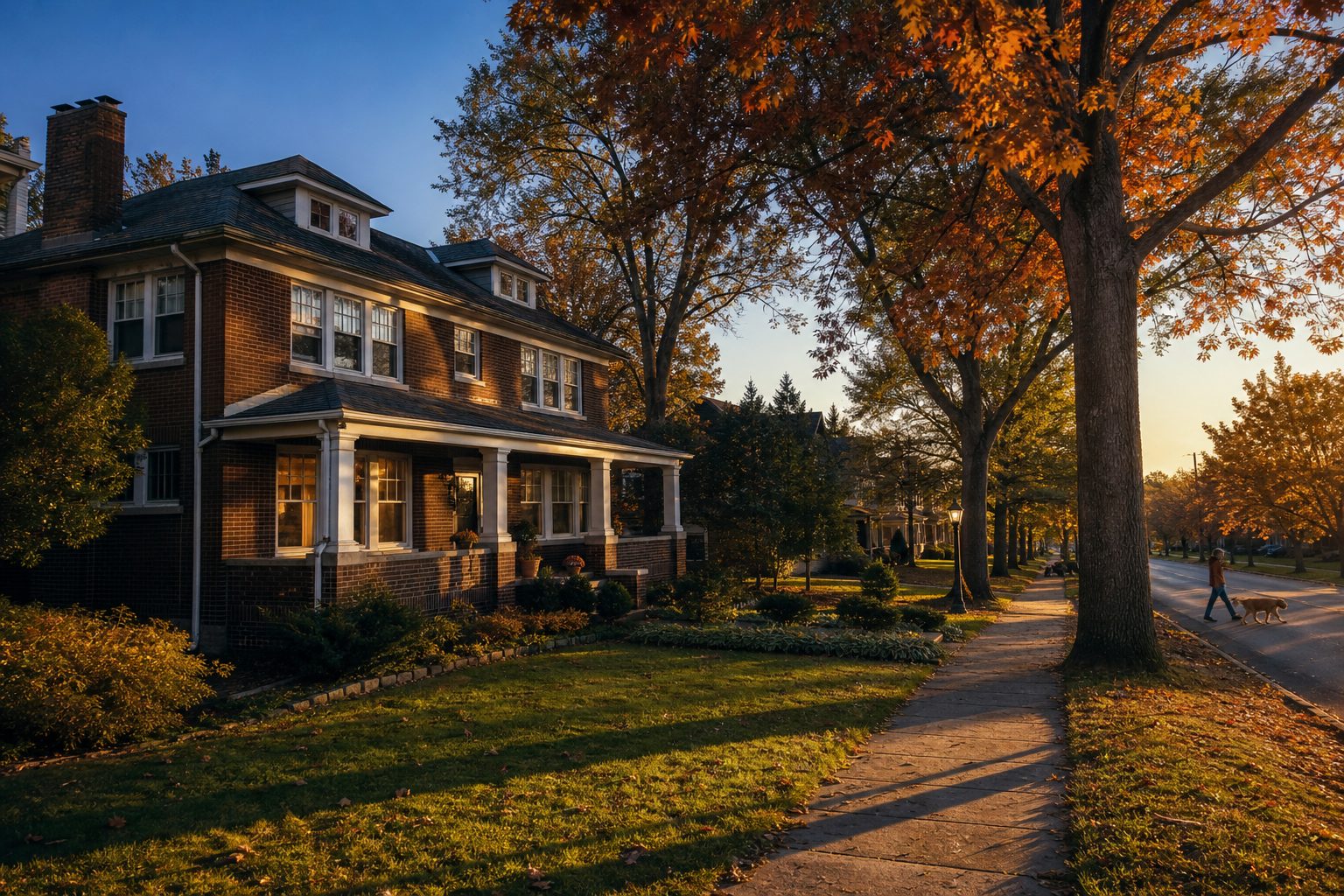
Here’s the reality of Squirrel Hill’s housing stock: most of the available land was filled by the 1930s, according to neighborhood development records. That means the single-family homes you’re touring along Beechwood Boulevard, Wilkins Avenue, and Aylesboro Avenue are predominantly 85 to 125 years old. These are beautiful, substantial homes, built with thick brick walls, hardwood framing, slate roofs, and plaster-and-lath walls during Pittsburgh’s industrial peak. The craftsmanship is genuinely hard to find anywhere else.
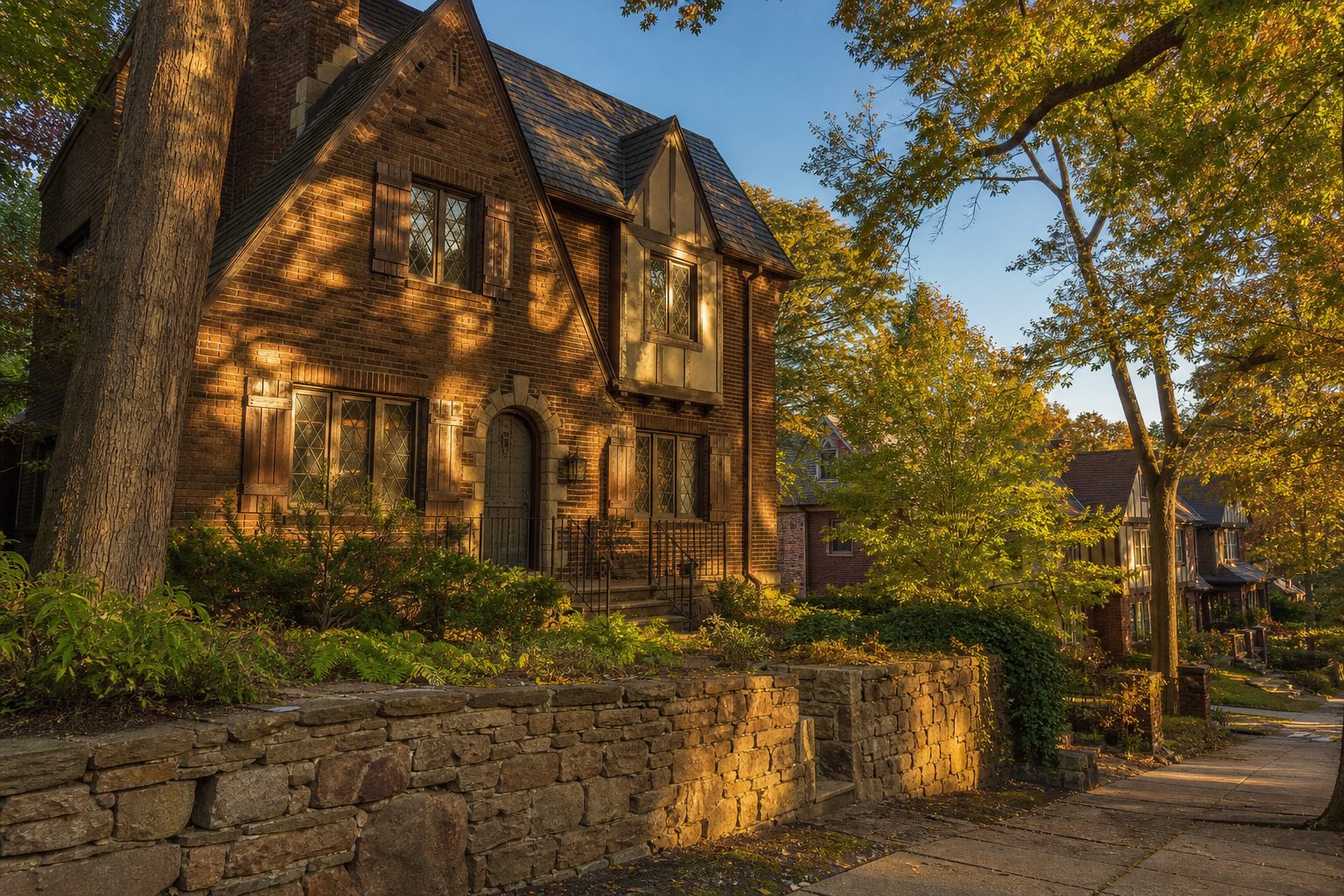
But here’s what I tell every buyer who walks into one of those Tudors on Inverness and gasps at the leaded glass: the surprises behind the plaster are just as real as the craftsmanship in front of it. In my 12 years of real estate and over 850 closed transactions, the buyers who do best in this neighborhood are the ones who fall in love with the character and still make a clear-eyed decision about the systems holding it all together.
So how do you do both? You use a checklist built specifically for Squirrel Hill’s century homes.
Squirrel Hill’s Market in 2026: What You’re Walking Into
Before you grab your flashlight and start poking at foundation walls, you should understand the competitive landscape. Squirrel Hill is not a market where you can drag your feet.
In Squirrel Hill North, the median single-family price is $835,000, up 5.4% year-over-year, with an average of just 21 days on market, according to West Penn MLS data as of 2026. In Squirrel Hill South, the median sits at $525,000, up 3.9%, with homes averaging just 17 days on market.
What does that actually mean for you as a century-home buyer? It means most Squirrel Hill listings hit the MLS Thursday afternoon, hold an open house Sunday, and review offers Monday or Tuesday. You do not have the luxury of scheduling three inspections before writing an offer. You need to walk into that first showing already knowing what to look for, which is exactly why this checklist exists.
Inventory stays structurally low, with fewer than 60 active listings most weeks across both Squirrel Hill North and South. Well-prepared homes routinely receive multiple offers in the first weekend.
Check out the current Homes for Sale in Squirrel Hill here.
The Squirrel Hill Century-Home Checklist: Roof to Sewer Line
On every older home I evaluate, I look at four things immediately: roof material, wiring age, heating type, and sewer lines. That framework gives you a clear picture of what the next five to ten years of ownership costs look like. Let me walk you through each system.
Roof Material and Condition
Many Squirrel Hill Tudors still have original or replacement slate roofs. Slate can last 75 to 150 years, which sounds great until you realize individual tiles crack, flashing fails around dormers, and those steeply pitched Tudor rooflines create complex valleys where leaks concentrate. You want to know whether the slate is original, how many tiles have been replaced, and whether the flashing is copper or a lesser material that deteriorates faster.
Electrical Systems
Knob-and-tube wiring is common in pre-1940 Squirrel Hill homes, and insurance companies increasingly refuse to cover homes with active knob-and-tube. A full rewire of a Squirrel Hill Tudor can run $15,000 to $30,000 or more depending on size and wall access, per local contractor estimates. This is not a negotiation chip; it is a deal-shaping number.
Heating Type
Most older Squirrel Hill homes use steam or hot-water radiator systems fed by boilers. When maintained, these systems heat beautifully and evenly. But replacement boilers run $8,000 to $20,000 or more. You should also ask about asbestos insulation on pipes and around boilers, which is common in pre-1970 homes.
Sewer Lines
Original clay sewer laterals crack and allow root intrusion over time. Sewer lateral inspections are standard practice in Pittsburgh transactions, and I consider them non-negotiable on any century home. This is the single item that catches the most buyers off guard.
Foundation, Drainage, and Pittsburgh’s Hilly Terrain
You might be relocating from a flatter city, so let me be direct about something: Pittsburgh’s topography changes everything about how you evaluate a home’s foundation.
Many Squirrel Hill homes are built on slopes. You need to check retaining wall integrity, hillside drainage patterns, and foundation settling. Stone and brick foundations common in pre-1930 homes may show mortar deterioration after 90-plus years. And because coal mining occurred in this area historically, you should also ask about past mine subsidence.
Here is what I recommend to every buyer: pull the FEMA flood map for the address, walk the lot during or after rain if possible, and ask the seller for any sump pump, French drain, or foundation work history. This is the single most common surprise for out-of-town buyers.
Plumbing and Lead Lines in Squirrel Hill’s Older Homes
Galvanized steel supply lines, common in 1920s to 1940s construction, corrode internally and restrict water flow. Replacement with copper or PEX typically runs $8,000 to $15,000 per local estimates.
But the bigger conversation in Pittsburgh is lead service lines. Lead lines connecting homes to the city water main are common in homes of this era. The Pittsburgh Water and Sewer Authority, known as PWSA, has an ongoing lead line replacement program that you should investigate for any address you’re considering. Knowing whether your prospective home is already on the replacement list, or whether you’ll need to coordinate that work yourself, can shift your budget significantly.
Windows, Insulation, and the Restoration vs. Replacement Decision
Original wood windows in Squirrel Hill’s Tudors and Colonials are often single-pane with rope-and-pulley counterweights. They’re gorgeous. They’re also drafty. The restoration versus replacement question is one of the most emotional decisions century-home buyers face.
Restoration preserves character and often costs less per window, but it won’t deliver the energy performance of a modern double-pane unit. Replacement gives you efficiency but changes the look of the home. Many century homes also have minimal wall insulation, and blown-in insulation can help but is limited by plaster-and-lath construction.
With 120 five-star reviews from past clients and a focus on helping buyers navigate exactly these decisions, I always frame it this way: what is your five-year plan for the home? If you’re staying long-term, investing in energy upgrades pays dividends. If you love the original character and plan to sell within a decade, thoughtful restoration often protects your resale value in a neighborhood where buyers specifically seek out period details.
Why Your Agent Matters More Than Your Checklist in Squirrel Hill
Let me be honest about something. A checklist is a tool. But it is vitally important to work with an agent who knows older homes, the risks associated with them, and what red flags to look for when buying in this neighborhood. Not every agent has spent years learning the difference between a slate roof that needs flashing repair and one that needs full replacement, or understanding why a boiler’s serial number matters more than its appearance.
Having closed over 850 transactions and spent 12 years working in the Pittsburgh market, I approach every century home the same way I approached network architecture in my previous career: systematically. Every system gets evaluated. Every risk gets quantified. And every buyer gets the data they need to make a confident decision, whether that means writing an aggressive offer or walking away.
That engineering mindset matters here because Squirrel Hill moves fast. You need an agent who can assess a 1920s Tudor on Beechwood Boulevard on Saturday and help you write a competitive offer by Monday, with clear eyes about what that home will actually cost to own.
Frequently Asked Questions
How old are most homes in Squirrel Hill, Pittsburgh?
Most single-family homes in Squirrel Hill were built between 1900 and 1940, according to neighborhood development history. The median year built for Squirrel Hill South is 1951 and Squirrel Hill North is 1949, though those figures are skewed upward by mid-century apartment construction. The Tudors, Colonials, and Foursquares you’re likely considering are predominantly 85 to 125 years old.
What does a home in Squirrel Hill cost in 2026?
The median single-family price in Squirrel Hill North is $835,000, up 5.4% year-over-year, per West Penn MLS data as of 2026. In Squirrel Hill South, the median is $525,000, up 3.9%. Condos and townhomes trade in the high $200s to low $300s.
Should I get a sewer line inspection on a Squirrel Hill century home?
Absolutely. Original clay sewer laterals in pre-1940 homes crack and allow root intrusion. Sewer lateral inspections are standard practice in Pittsburgh transactions. This is one of the most common and costly surprises in older homes, and I consider it non-negotiable.
Is knob-and-tube wiring a deal breaker in Squirrel Hill?
It does not have to be, but it shapes your budget. Insurance companies increasingly refuse to cover homes with active knob-and-tube. A full rewire of a Squirrel Hill Tudor can cost $15,000 to $30,000 or more. Factor this into your offer price and your financing plan.
What heating systems do older Squirrel Hill homes use?
Most use steam or hot-water radiator systems fed by boilers. These systems heat well when maintained, but replacement boilers run $8,000 to $20,000 or more per local estimates. Ask about the boiler’s age, maintenance history, and whether asbestos insulation is present.
Are there lead water lines in Squirrel Hill homes?
Lead service lines connecting to the city water main are common in Pittsburgh homes of this era. The Pittsburgh Water and Sewer Authority has an ongoing lead line replacement program. Check whether your prospective home’s line has been replaced or is scheduled for replacement.
What income do I need to buy in Squirrel Hill North?
Using the 28% rule, you would need to make at least $172,000 per year to comfortably afford the median home price in Squirrel Hill North, according to local market analysis. The average household income in the area is $145,026, which illustrates the affordability gap that makes first-time home buyers consider condos and townhomes as entry points.
How fast do Squirrel Hill homes sell?
Quickly. Homes in Squirrel Hill North average just 21 days on market, and Squirrel Hill South averages 17 days, as of 2026 per West Penn MLS data. Most listings hit the MLS Thursday, hold open houses Sunday, and review offers Monday or Tuesday.
Is there down payment assistance available for Squirrel Hill buyers?
Yes. The Pennsylvania Housing Finance Agency HOMEstead Program offers up to $10,000 in down payment and closing cost assistance with a 0% deferred loan. The City of Pittsburgh’s Homebuyer Assistance Program also provides forgivable loans for income-eligible buyers purchasing within Pittsburgh city limits, which covers all of Squirrel Hill.
What architectural styles will I find in Squirrel Hill?
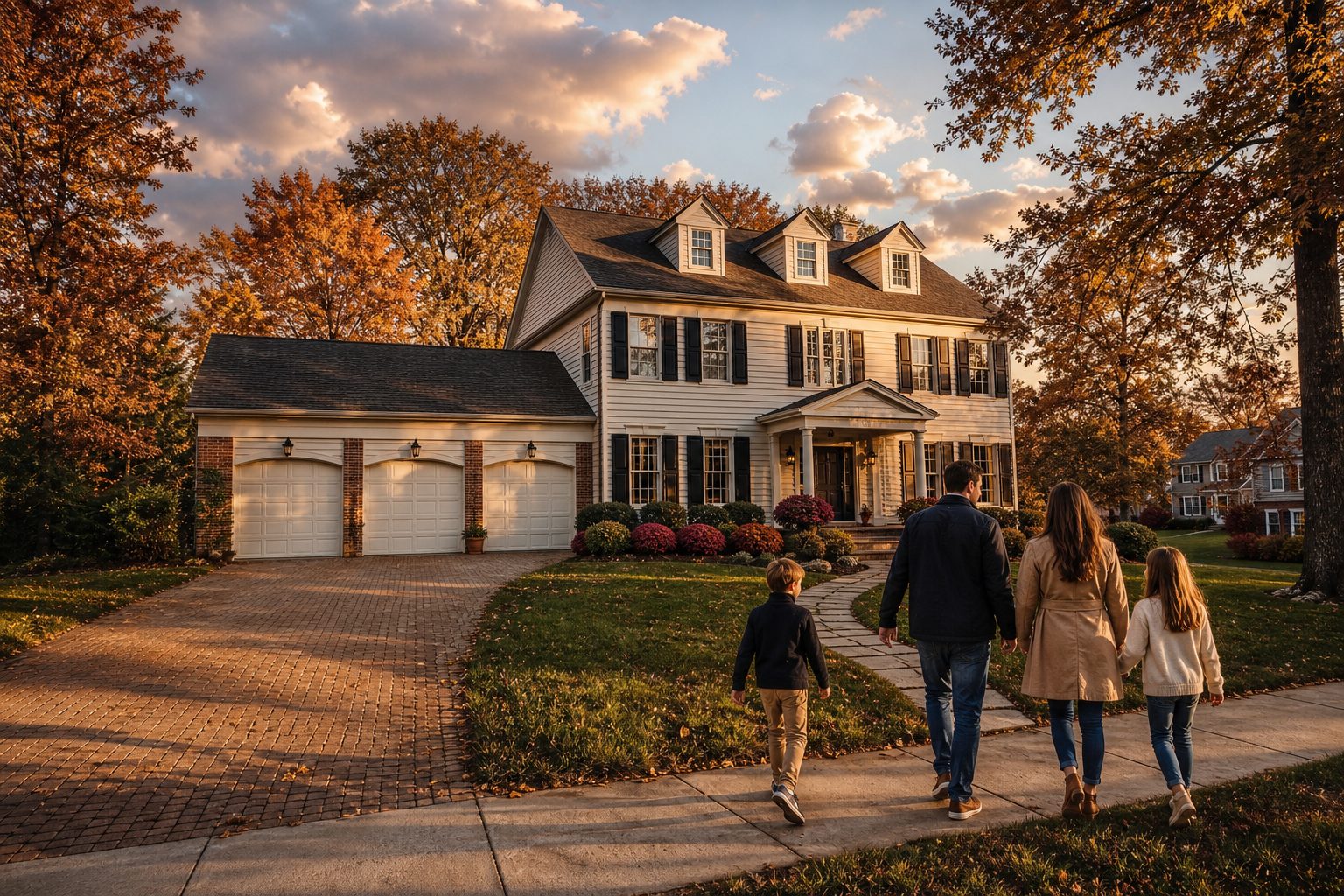
The dominant styles are Tudor Revival (1920s to 1930s), Georgian Colonial (1910s to 1930s), American Foursquare (1900s to 1920s), and brick row homes (1910s to 1930s). Tudor stock in Squirrel Hill is unmatched by any other Pittsburgh neighborhood, with half-timbering, steeply pitched roofs, arched doorways, and leaded glass.
The Bottom Line
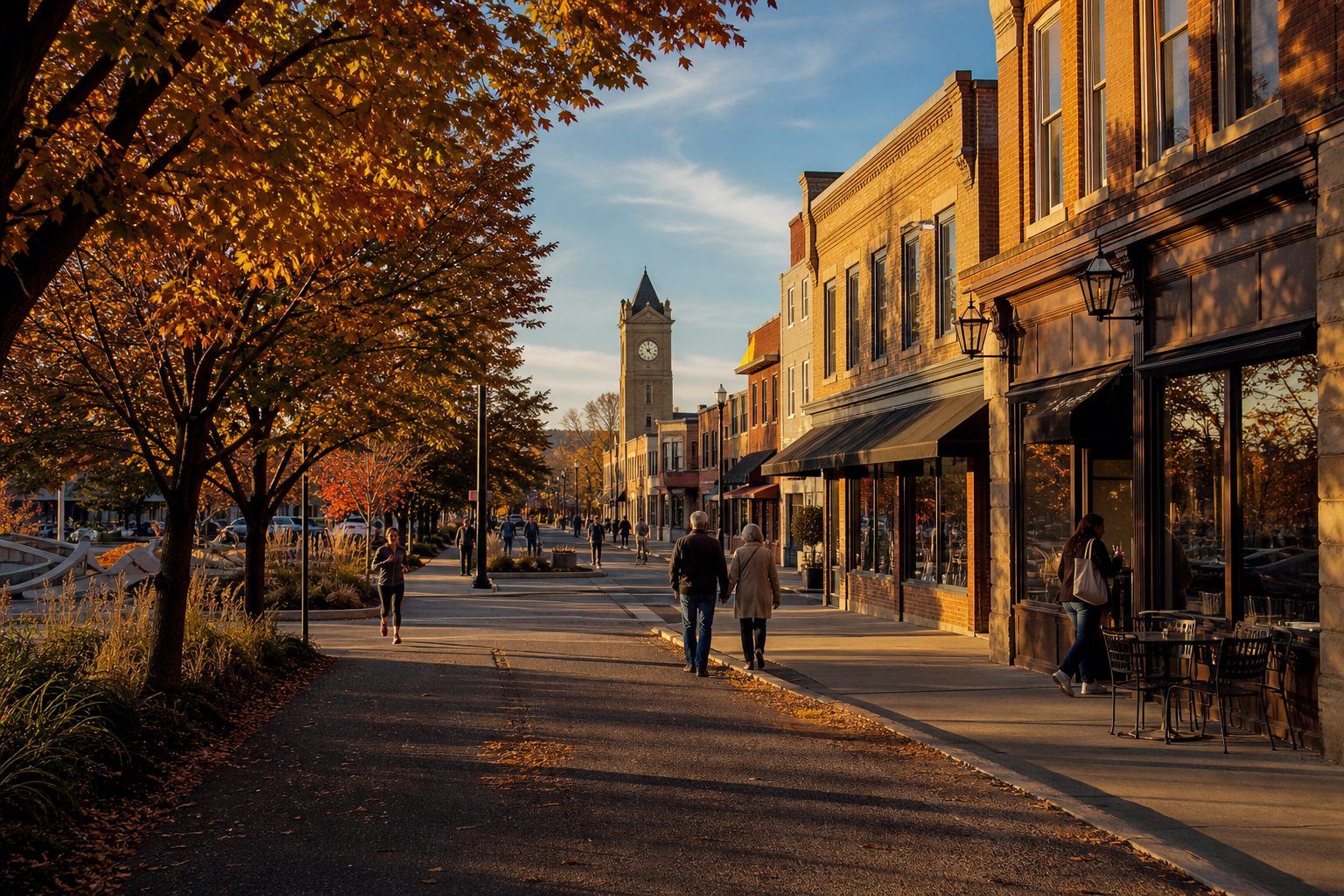
Squirrel Hill’s century homes offer something rare: genuine architectural character in a walkable, community-rich neighborhood, four minutes on foot from the Carnegie Library branch, Chengdu Gourmet, Pigeon Bagels, and Frick Park’s 644 acres. The craftsmanship in these homes is hard to find anywhere else. So are the surprises behind the plaster.
Use this checklist. Evaluate the roof, the wiring, the heating, the sewer line, the foundation, and the plumbing before you let the leaded glass and original woodwork make the decision for you. And work with someone who has done this hundreds of times.
I’m Mike Pastor, leader of the Mike Pastor Group at Realty ONE Group Landmark. With 12 years of experience, over 850 transactions, and an engineering background that drives how I evaluate every property, I help buyers in Squirrel Hill fall in love with the right century home, not just the prettiest one. Call me at 412-214-9494 to start your search the right way.